
4 Ways Preventative HVAC Maintenance Saves You Money Year After Year
Maintaining a comfortable indoor climate requires functional heating and cooling equipment. Property owners tend to view mechanical maintenance as an optional expense. Routine system inspections serve as a financial safeguard. Neglecting mechanical upkeep leads to physical degradation. Components wear down, air filters clog with debris, and motors strain against excess friction. This ongoing deterioration translates into elevated costs over time. Regular professional interventions halt this physical decline.
Investing in scheduled HVAC services protects the physical machinery and the property owner's wallet. Preventive care shifts the focus from reactive repairs to proactive preservation. Routine checkups identify minor mechanical flaws before major breakdowns happen. This systematic approach keeps systems running in peak condition throughout changing seasons. A maintained unit requires less fuel, experiences fewer failures, and outlasts a neglected counterpart. Forethought preserves capital.
1. Lowering Monthly Utility Expenses
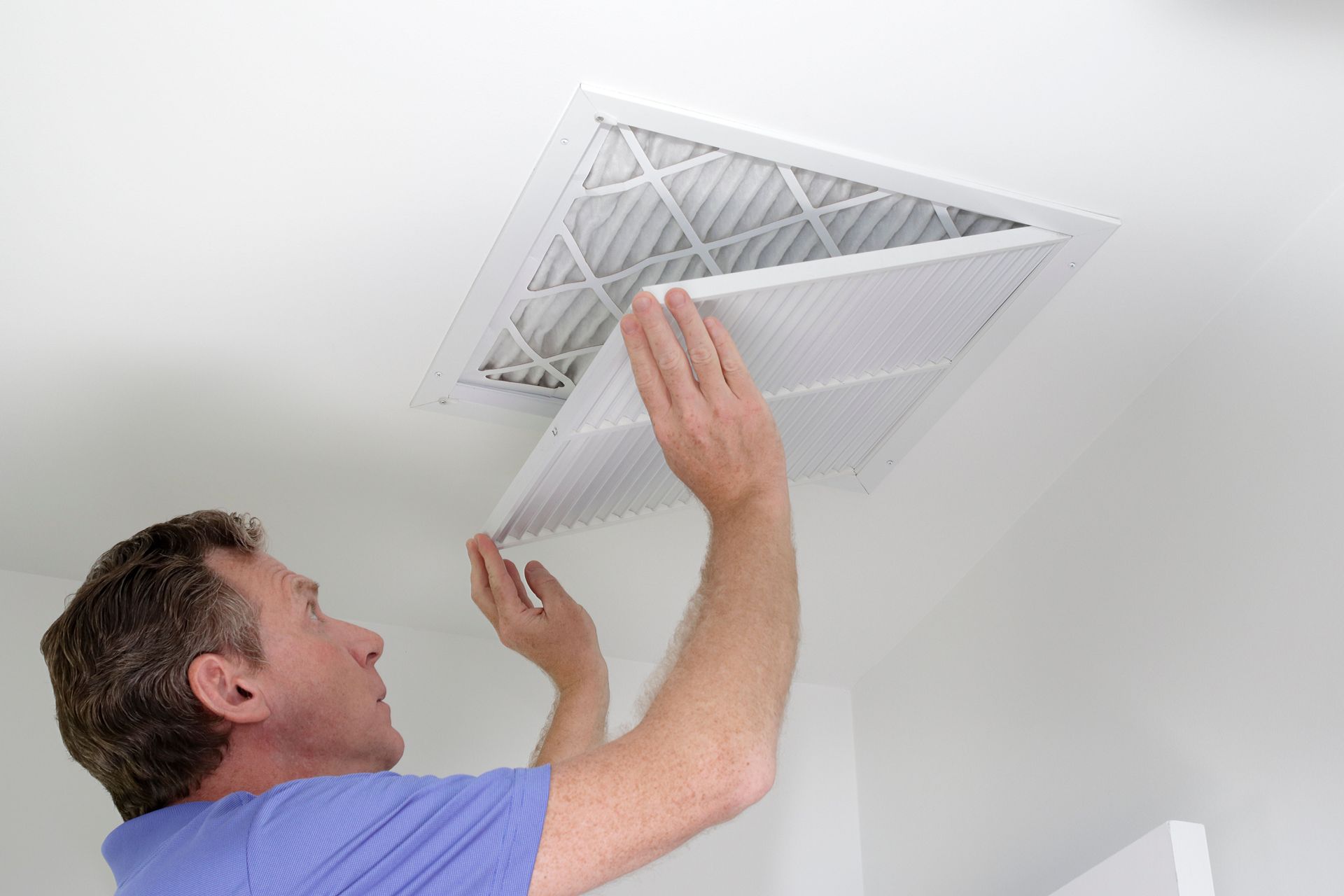
Energy consumption rises when mechanical systems operate under heavy stress. Dust accumulation on evaporator coils forces compressors into heavy exertion. Blower motors must draw excess power to push air through dense, dirty filters. This increased exertion causes electricity and gas bills to soar. Keeping internal components clean allows the machinery to breathe without restriction. Optimal airflow reduces the amount of power needed to condition indoor spaces.
According to the Department of Energy, heating and cooling make up 43% of the average home utility bill. Since climate control represents such a large portion of household expenditures, optimizing system performance yields substantial savings. A unit free of blockages meets temperature setpoints with ease. Less run time means lower fuel consumption every billing cycle. Reduced mechanical struggle equals lower monthly payments.
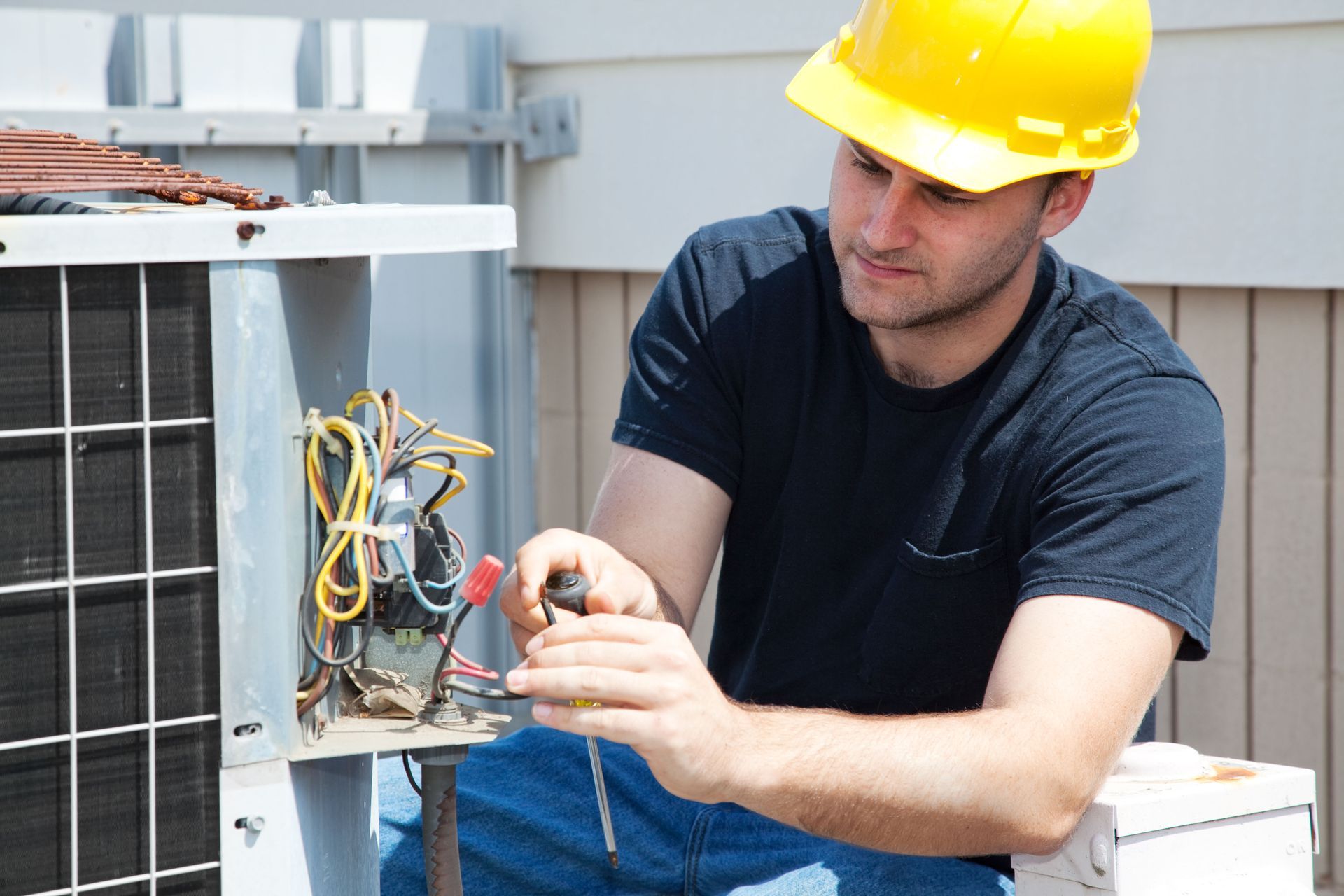
Homeowners scheduling seasonal HVAC services notice a distinct stabilization in their utility statements. Technicians calibrate thermostats, lubricate moving parts, and secure loose electrical connections. These specific physical adjustments eliminate energy waste. Friction in unlubricated motors generates heat and draws excess current. Proper lubrication eradicates this invisible power drain. Electrical systems with tight connections transmit power without shedding energy as wasted heat.
Small efficiency gains compound over months and seasons. A system operating at peak capacity stops drawing unnecessary power from the grid. Property owners retain capital that would vanish into high energy bills. Routine care transforms an inefficient machine into a lean, cost-effective asset. Minimizing daily energy consumption keeps overall household operational costs manageable throughout extreme weather conditions. This strategy protects household budgets.
2. Preventing Sudden Equipment Failures
Mechanical breakdowns strike without warning. These emergencies happen during extreme temperature spikes when systems run without stopping. Emergency repairs carry premium price tags. Technicians charge elevated rates for immediate dispatch outside standard business hours. Components break when forced to endure unaddressed wear and tear. A frayed belt snaps, or a neglected capacitor blows out. Repairing these sudden damages drains household funds.
Scheduled inspections identify vulnerable parts before failure. A technician evaluates worn belts and tests electrical capacitors during a standard visit. Catching a weak capacitor before it fails protects the entire compressor. Replacing a tiny electrical component costs a fraction of an entire compressor replacement. Proactive replacement of degrading parts prevents catastrophic cascading failures within the broader system. Prevention halts expensive chain reactions.
Consistent HVAC services insulate property owners from financial shocks. Budgeting for planned maintenance allows homeowners to control their expenses. Unplanned emergency repairs disrupt financial stability. Routine evaluations provide a clear assessment of mechanical health. Technicians deliver condition reports. These reports give homeowners time to prepare for future part replacements. Forewarning eliminates the panic and premium costs associated with sudden breakdowns.
Early intervention preserves the integrity of the whole machine. Ignoring a squeaking motor bearing leads to total motor seizure. A seized motor requires complete extraction and replacement. Lubricating that same bearing during a checkup costs a marginal amount. Preventive care turns potential large-scale disasters into minor, manageable adjustments. This proactive strategy protects long-term financial security. Small fixes prevent major overhauls.
3. Extending System Operational Lifespan
Replacing an entire climate control system requires massive capital expenditure. Furnaces and air conditioners represent major property investments. Premature failure of these units forces homeowners to spend exorbitant amounts of money. Mechanical lifespan depends upon continuous upkeep. Neglect accelerates the deterioration of vital internal components. Acid buildup in refrigerant lines corrodes copper pipes. This corrosion causes fatal leaks and ruins the equipment.
Routine care delays the need for total system replacement. Cleaning coils and changing filters reduces the operational load on the system. Less strain translates to reduced metal fatigue and mechanical exhaustion. Components operating within designed specifications endure for extended periods. Stressed parts fail without delay. A unit running on clean power and clean air suffers minimal internal wear. Maintained machinery outlives neglected machinery.
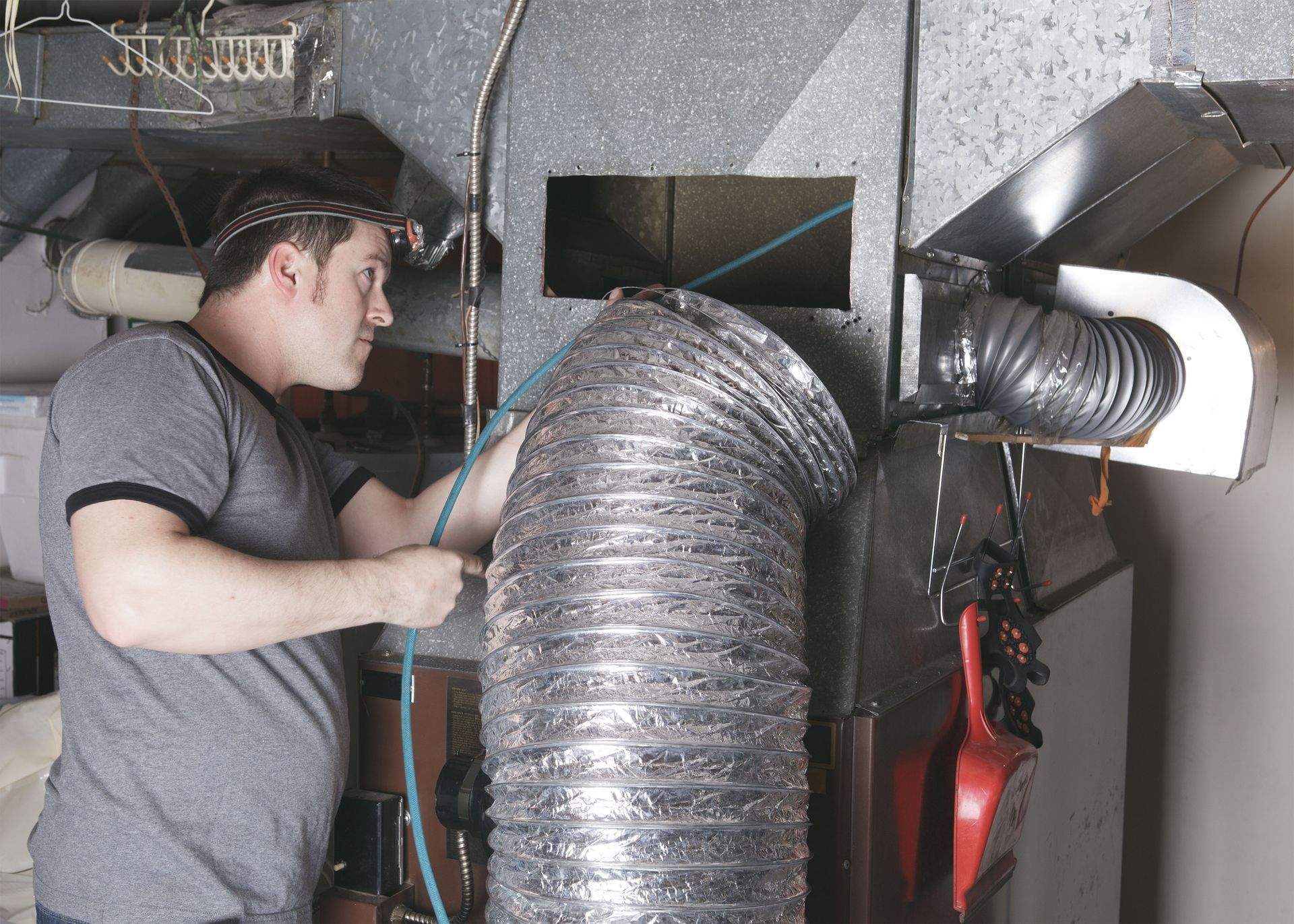
Securing professional HVAC services adds years of viability to climate equipment. Technicians remove corrosive debris from outdoor condenser units. Clearing leaves and dirt stops premature rust on critical exterior fins. Protecting the physical chassis and delicate internal fins maintains the structural integrity of the machine. Prolonging the life of the current unit defers massive replacement costs into the future.
Maximizing the return on the initial hardware investment requires patience and diligence. A system slated to last an average duration might survive beyond standard expectations with adequate care. Stretching the operational timeline divides the initial purchase price over a longer period. This extended utility keeps capital in the homeowner's bank account. Postponing replacement remains the ultimate financial victory in property management. Equipment longevity secures wealth.
4. Preserving Manufacturer Warranty Coverage
Manufacturers provide warranties to guarantee equipment against factory defects. These agreements promise free or discounted replacement parts for a set duration. Warranties represent immense financial value to the property owner. Manufacturers attach strict conditions to these guarantees. The primary stipulation requires proof of continuous, professional maintenance. Ignoring this requirement voids the protective agreement. A voided warranty abandons the homeowner to full retail repair costs.
Warranty claims require detailed service records. When a major component like a heat exchanger cracks, the manufacturer asks for maintenance logs. Without proper documentation, the factory rejects the claim. The property owner must pay out-of-pocket for the expensive heat exchanger. Keeping the warranty active acts as an insurance policy against rare but expensive mechanical defects. Documentation verifies responsible ownership.
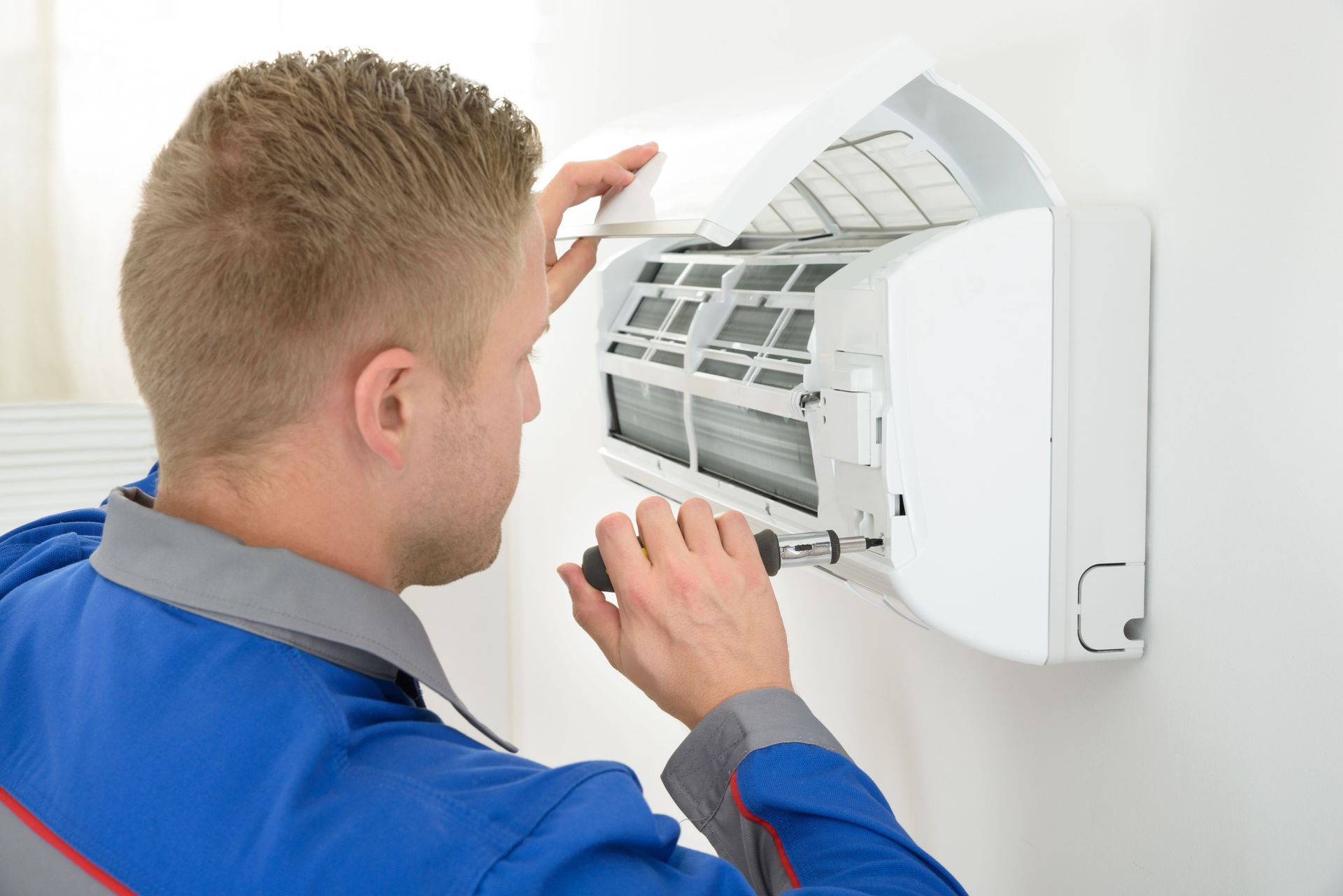
Booking annual HVAC services generates the necessary paper trail to satisfy warranty stipulations. Professional invoices serve as definitive proof of care. Technicians document the date, the tasks performed, and the overall condition of the unit. These exact records eliminate any dispute with the manufacturer. Maintaining a pristine service history ensures the factory honors its financial obligations. The homeowner shifts defect risks back to the manufacturer.
Voiding a warranty through sheer negligence wastes a built-in financial safety net. Parts covered under warranty cost the homeowner nothing. Paying for an unwarranted compressor replacement devastates a household budget. Adhering to the manufacturer's maintenance schedule secures this invaluable coverage. A scheduled visit validates the warranty and shields the homeowner from absorbing the cost of defective parts. Active warranties block sudden financial drains.
Climate control equipment demands consistent attention to function at peak capacity. Neglect forces machinery into premature decline. This decline results in wasted fuel, surprise breakdowns, and early replacement. Proactive interventions reverse this destructive cycle. Keeping coils clean, moving parts lubricated, and electrical connections secure optimizes the entire system. This vigilant approach ensures continuous indoor comfort while minimizing overall operational expenditures. Care sustains performance.
Homeowners who prioritize seasonal HVAC services reap measurable financial rewards. Stabilized utility bills, avoided emergency fees, extended mechanical lifespans, and protected warranties form a comprehensive net of savings. Planned investments in upkeep yield massive returns over the life of the equipment. Committing to preventative care transforms an unpredictable mechanical burden into a stable, cost-controlled asset. Property owners retain their wealth through smart system management. If you are seeking to secure these long-term financial benefits, contact Northeastern Mechanical Inc to schedule routine HVAC services. Implementing a proactive maintenance plan protects property investments and prevents unpredictable mechanical expenses.
Share On: